Brief & sizing
WhatsApp conversation about the site, the feed material, the target throughput and the mobility you need. We sketch capacity and an indicative price within the day.
1–3 days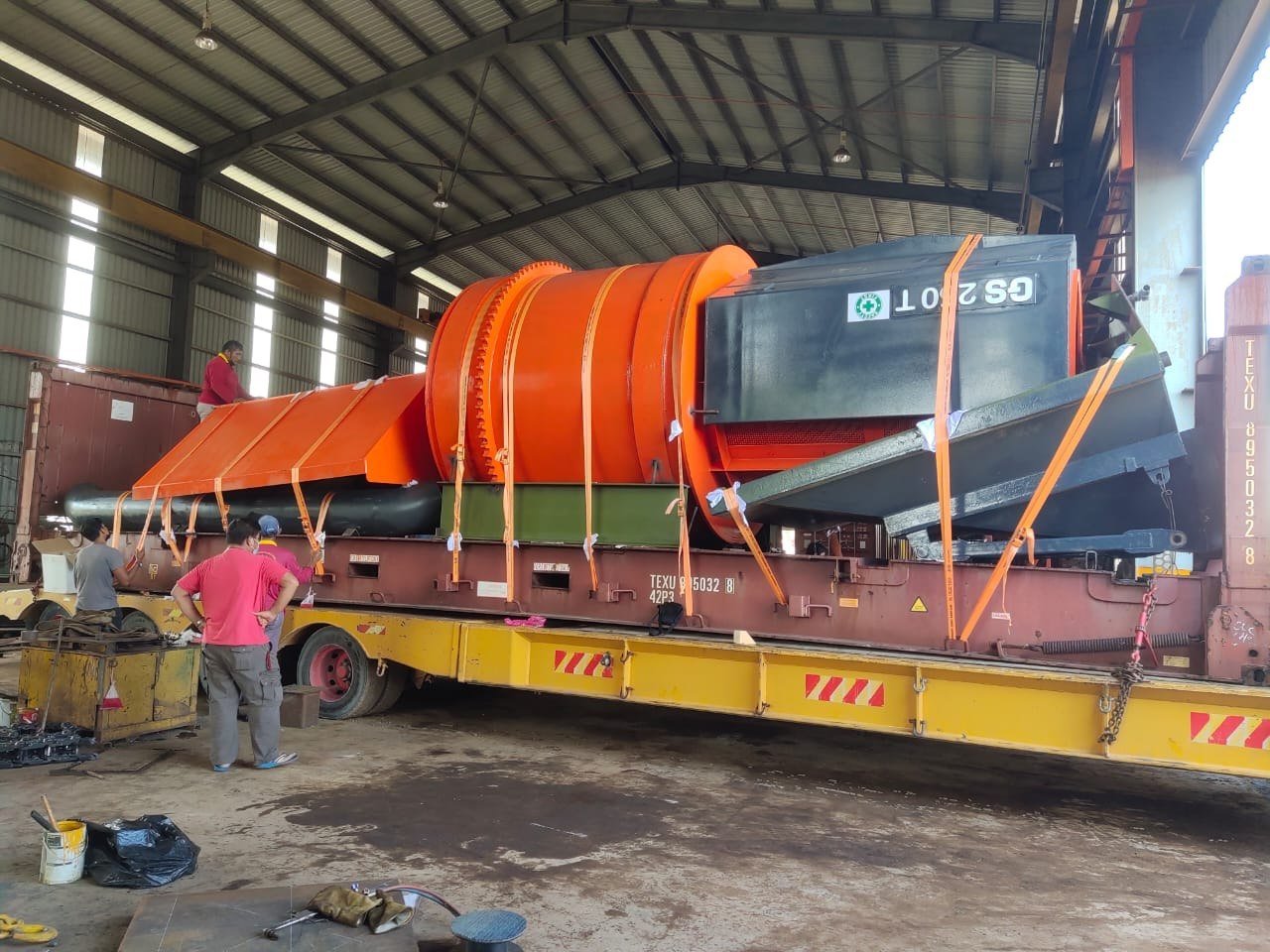
A short, honest history of what we have actually done. Where we started. How the track-mounted line came to exist. And why the engineer who answers your enquiry is the same one who will sign your build off.
Gold Screens NZ Engineering began on the South Island in the early 1980s, when small alluvial mining operations needed plant they could move themselves — without waiting weeks for a contractor crane and a low-loader from Christchurch. The first trommels were built for the Westland claims; the brief from the operators was identical to the brief we still get from operators today. Make it mobile. Make it survive. Don't make me read a manual.
Over the following two decades the workshop's centre of gravity moved north. The alluvial gold belts of Southeast Asia — Kalimantan, Sulawesi, the rivers of Laos, the gold belts of northern Thailand — were drawing operators who wanted plant designed for tropical humidity, thick overburden, and roads that disappear in the wet season. We followed the work. The current manufacturing facility, in Rayong on the eastern Gulf coast of Thailand, has been our home for the last two decades.
The track-mounted line — the one no one else in the world builds — came out of a specific frustration. A client in Papua New Guinea had taken delivery of a perfectly capable trailer-mounted plant, then spent the next six months unable to use it because the road to the dig face had washed out. We took the plant back, put it on excavator-class crawler tracks, and shipped it again. It drove itself to the pit. We have not stopped building them on tracks since.
Today the workshop runs as one team across design, fabrication, hydraulics, and commissioning. There are no agents in any of our countries. There are no distributors. The engineer who answers a WhatsApp message on a Tuesday afternoon is the same one who will lay your screen out on Friday, check your weld on Monday, and ride to the airport with you when the plant lands at site.
Founded in New Zealand. First small-scale alluvial gold trommel built for operators on the South Island's Westland claims.
NZ · foundingFirst unit shipped outside New Zealand — a GS60 trailer-mount delivered to Queensland.
AU · first exportManufacturing operations consolidated in Rayong, Thailand — closer to APAC gold belts and the rolled-steel supply chain.
TH · relocationFirst crawler-mounted gold screen built after a client lost their pit road in PNG. Becomes the line we are now best known for.
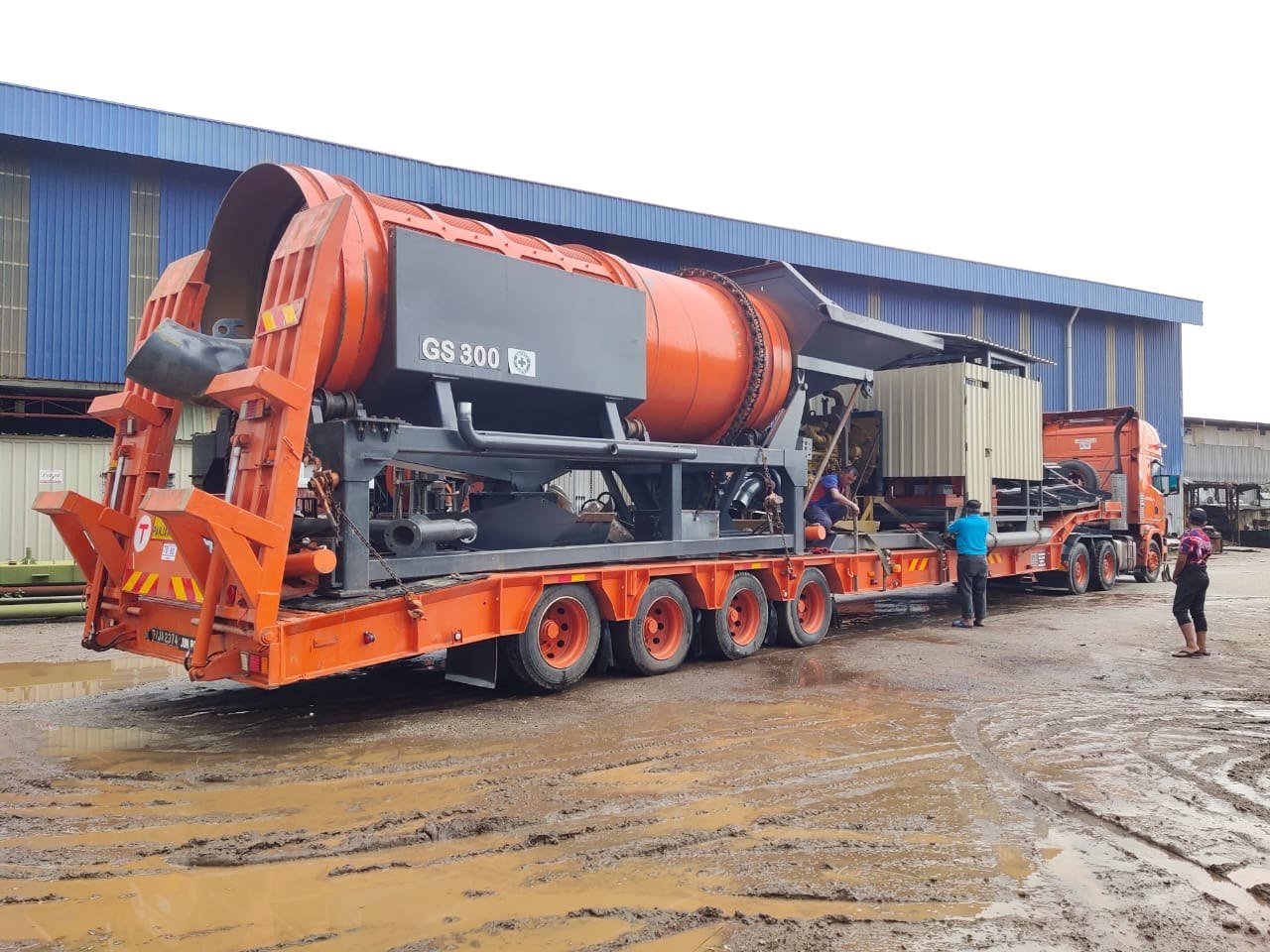
PG · world firstFiftieth plant commissioned. The GS300 production-scale skid frame enters the regular catalog.
TH · milestonePast one hundred plants in the field across six APAC countries. Workshop team still under one roof in Rayong.
APAC · todayEvery plant goes through these five phases. There are no agents in the middle and no third-party contractor finishing the work. The workshop owns the build from sketch to start-up.
WhatsApp conversation about the site, the feed material, the target throughput and the mobility you need. We sketch capacity and an indicative price within the day.
1–3 daysDetailed mechanical drawings, drum specification, motor sizing, and the bill of materials. Reviewed with you before any steel is cut.
2–4 weeksCut, weld, drum-roll, paint — all in our Rayong facility. You receive build-progress photos at every stage.
8–14 weeksDry run on the workshop pad: motors run, drum spins, sluice geometry verified, hydraulics held. Nothing leaves the gate without passing this.
3–5 daysWe fly engineering to site for first start-up. Plant is tuned to your feed and signed off against the recovery numbers in the spec.
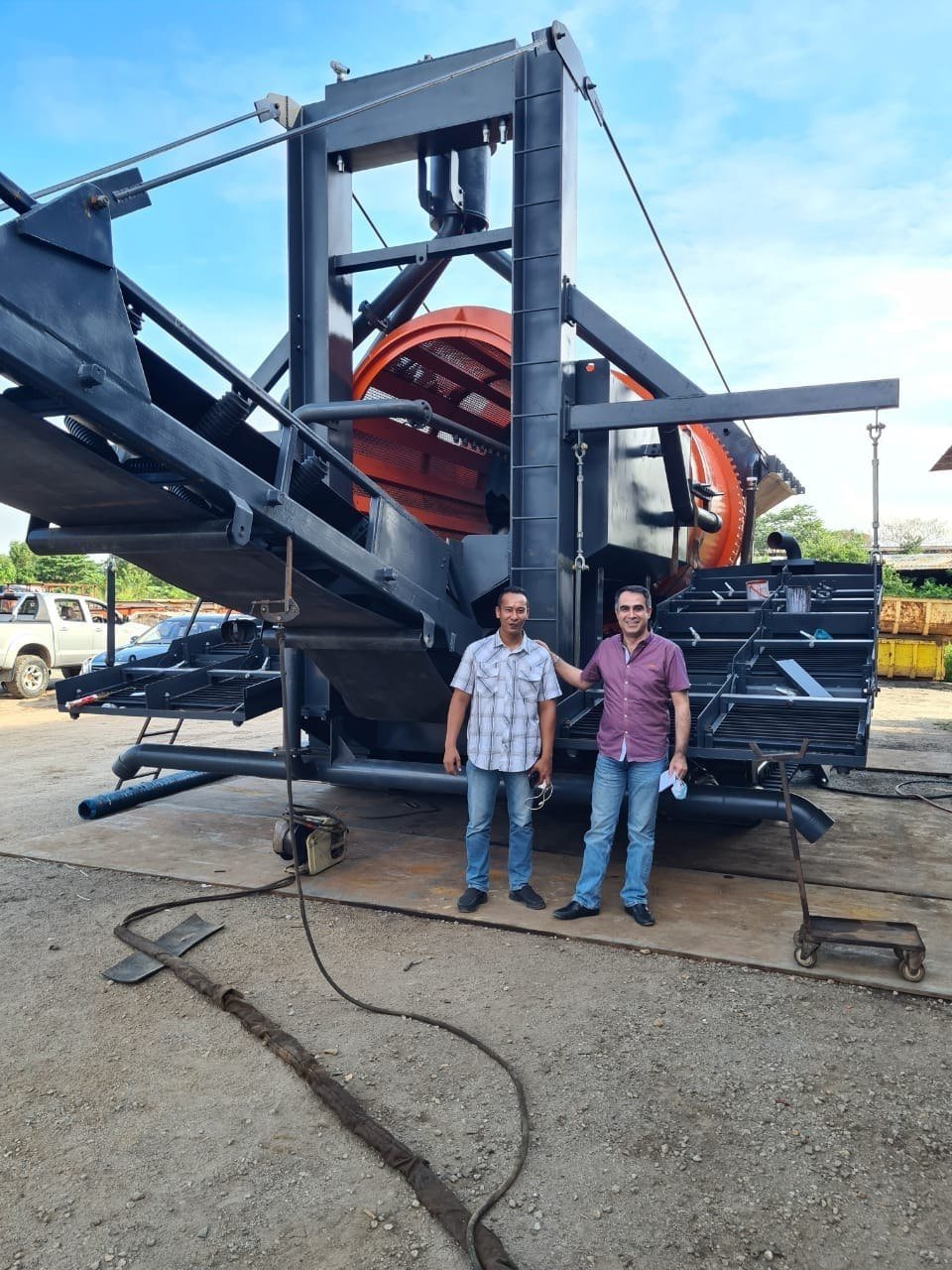
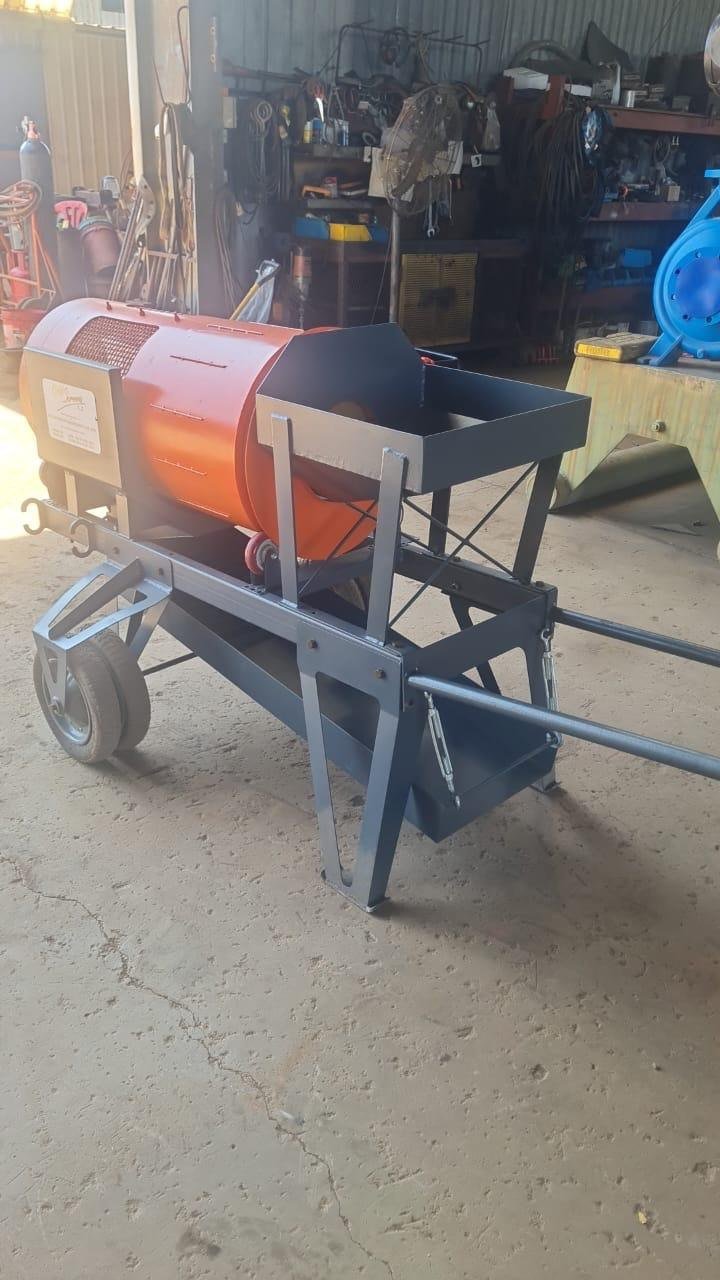
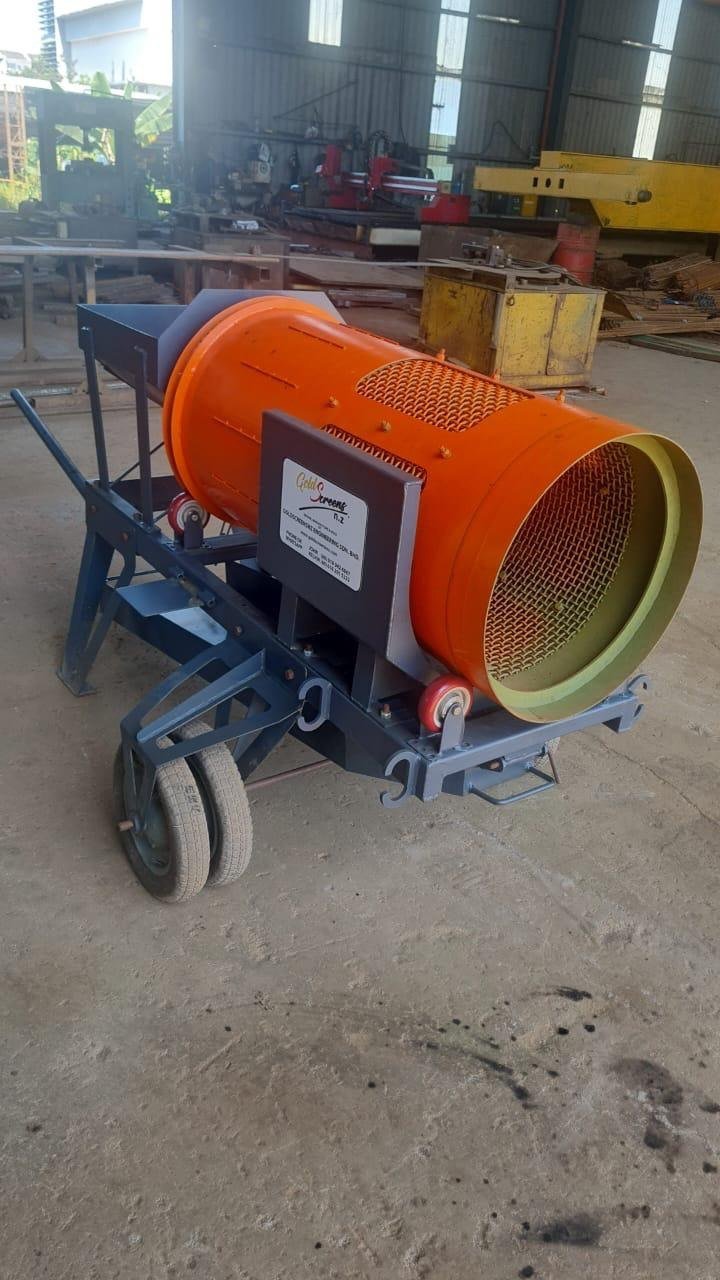
5–10 daysDrum-rolling, motor mounts, sluice riffles — one workshop, one team, one set of hands. Photographs from the Rayong facility during a recent build week.